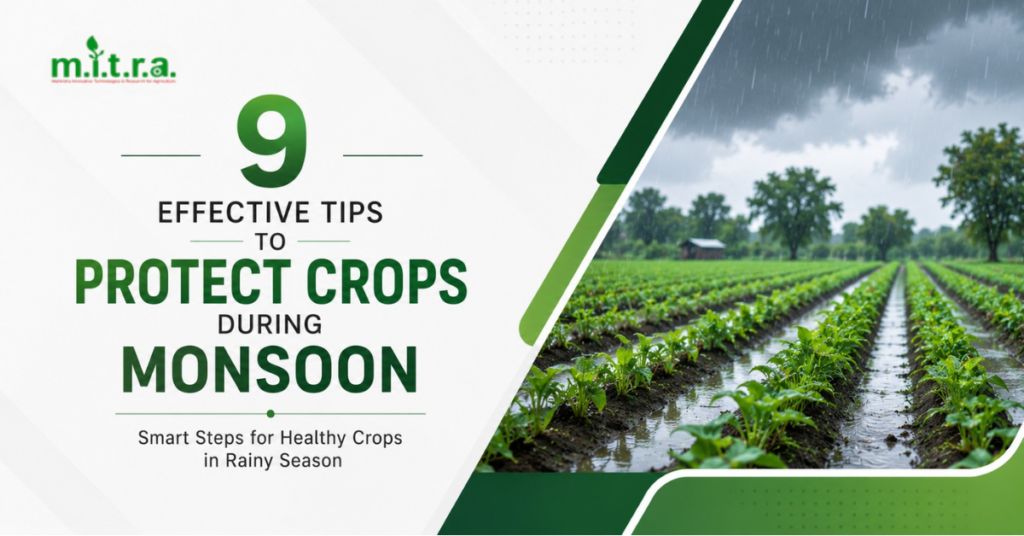
Have you ever watched a healthy crop struggle just days after the first heavy monsoon showers? For many Indian farmers, the rainy season is both a blessing and a challenge. While rains provide essential moisture for crop growth, they also create ideal conditions for pests, fungal diseases, weed growth, and nutrient loss. A single week of unmanaged monsoon conditions can significantly reduce yields and profitability.
According to agricultural studies, pest and disease-related crop losses can account for up to 20–40% of agricultural production in tropical regions when preventive measures are not taken. Proper crop protection, therefore, becomes essential rather than optional. The good news is that modern spraying technologies, especially Boom & Reel Sprayers for agriculture, are helping farmers improve coverage, reduce wastage, and protect crops more effectively during challenging weather conditions.
In this blog, we’ll explore nine practical monsoon crop protection tips and understand how advanced spraying solutions from MITRA can help farmers safeguard their investments and improve productivity.
Why Monsoon Protection Matters More Than Ever
The monsoon season brings high humidity, standing water, and fluctuating temperatures. These conditions accelerate the spread of fungal infections, bacterial diseases, insects, and weeds. Crops such as cotton, soybean, paddy, sugarcane, vegetables, and fruits are especially vulnerable.
As renowned agronomist Norman Borlaug once said:
“You can’t build a peaceful world on empty stomachs and human misery.”
Protecting crops during monsoon is one of the most effective ways to ensure food security and farm profitability.
Tip #1: Monitor Weather Forecasts Before Spraying
Rainfall can wash away pesticides, fungicides, and nutrients if spraying is done at the wrong time.
Before every spraying operation:
- Check local weather forecasts.
- Avoid spraying immediately before heavy rain.
- Maintain a rain-free window of at least 4–6 hours whenever possible.
Combining weather awareness with efficient spraying equipment helps maximize chemical effectiveness.
Tip #2: Ensure Proper Field Drainage
Waterlogging creates ideal breeding conditions for pests and disease-causing organisms.
Farmers should:
- Clean drainage channels regularly.
- Remove stagnant water quickly.
- Create raised beds for sensitive crops.
Good drainage reduces disease pressure and improves root health throughout the season.
Tip #3: Prevent Pest Outbreaks Early
Monsoon conditions encourage rapid multiplication of insects such as aphids, whiteflies, stem borers, and caterpillars.
Instead of waiting for visible damage:
- Conduct regular field scouting.
- Monitor pest populations weekly.
- Apply crop protection solutions at early infestation stages.
Timely intervention is significantly more effective than corrective treatments after widespread infestation.
Tip #4: Control Fungal Diseases Before They Spread
High humidity creates perfect conditions for fungal diseases such as:
- Powdery mildew
- Downy mildew
- Leaf spot
- Blight
- Rust infections
Preventive fungicide application provides better results than curative treatments.
However, success depends heavily on spray coverage. Uneven spraying leaves untreated areas where diseases continue spreading. This is where Boom & Reel Sprayers for agriculture offer a major advantage by delivering consistent coverage across the crop canopy.
Tip #5: Use Uniform and Accurate Spraying Techniques
One of the biggest challenges in traditional spraying methods is inconsistent application.
Common issues include:
- Over-spraying in some areas
- Under-spraying in others
- Increased chemical costs
- Reduced effectiveness
Modern Boom & Reel Sprayers for agriculture ensure:
- Uniform spray distribution
- Better droplet placement
- Reduced operator fatigue
- Improved treatment effectiveness
When every plant receives the right amount of protection, overall crop health improves substantially.
Tip #6: Choose the Right Sprayer for Large Farms
As farm sizes increase, manual spraying becomes inefficient and time-consuming.
Large-acreage farmers need equipment that offers:
- Wide coverage
- Faster operation
- Precision application
- Reduced labor dependency
MITRA’s advanced boom sprayer solutions are specifically designed to address these challenges, enabling farmers to cover larger areas quickly without compromising spraying quality.
Tip #7: Spray at the Right Time of Day
Timing plays a critical role in spray performance.
The best periods are usually:
- Early morning
- Late afternoon
Avoid spraying during:
- Strong winds
- Intense sunlight
- Heavy rainfall periods
Proper timing improves chemical absorption while reducing drift and evaporation losses.
Tip #8: Reduce Chemical Wastage with Precision Spraying
Rising input costs have made efficient pesticide utilization a top priority for farmers.
Precision spraying helps:
- Reduce chemical wastage
- Lower operational expenses
- Improve environmental sustainability
- Increase return on investment
Advanced Boom & Reel Sprayers for agriculture are engineered to deliver accurate spray volumes, helping farmers get maximum value from every tankful.
Tip #9: Maintain Equipment for Peak Performance
Even the best spraying equipment requires routine maintenance.
Regularly inspect:
- Nozzles
- Hoses
- Pumps
- Filters
- Pressure systems
Well-maintained equipment ensures consistent spray patterns and prevents costly downtime during critical crop protection periods.
Why MITRA Boom & Reel Sprayers Are Ideal for Monsoon Farming
Modern farming demands more than just powerful machinery—it requires precision, efficiency, and reliability.
MITRA has established itself as one of India’s trusted agricultural equipment manufacturers by developing innovative spraying solutions designed specifically for Indian farming conditions. Their focus on performance, durability, and farmer-centric innovation has made them a preferred choice across multiple crop segments.
MITRA’s boom and reel sprayer solutions offer several advantages during monsoon crop protection:
Superior Coverage
Uniform spray distribution ensures better protection against pests, diseases, and weeds.
Faster Operations
Large areas can be covered quickly, helping farmers take advantage of short weather windows between rainfall events.
Reduced Labor Dependency
Mechanized spraying reduces manpower requirements and improves operational efficiency.
Precision Application
Accurate chemical placement helps minimize wastage while maximizing effectiveness.
Improved Crop Protection
Consistent coverage means fewer untreated zones where pests and diseases can survive and spread.
For farmers seeking dependable Boom Sprayers for agriculture, MITRA’s solutions offer the combination of technology and practicality needed to manage monsoon challenges effectively.
Conclusion
The monsoon season can either strengthen a crop or threaten an entire season’s hard work. Success depends on preparation, timely intervention, and the right equipment.
By monitoring weather conditions, improving drainage, controlling pests and diseases early, and adopting modern spraying technologies, farmers can significantly reduce monsoon-related crop losses. Advanced Boom & Reel Sprayers for agriculture play a crucial role in achieving uniform coverage, improving efficiency, and maximizing crop protection outcomes.
As Indian agriculture continues to embrace smarter farming practices, solutions from MITRA are helping farmers move toward more precise, productive, and profitable crop management during the most challenging season of the year.